
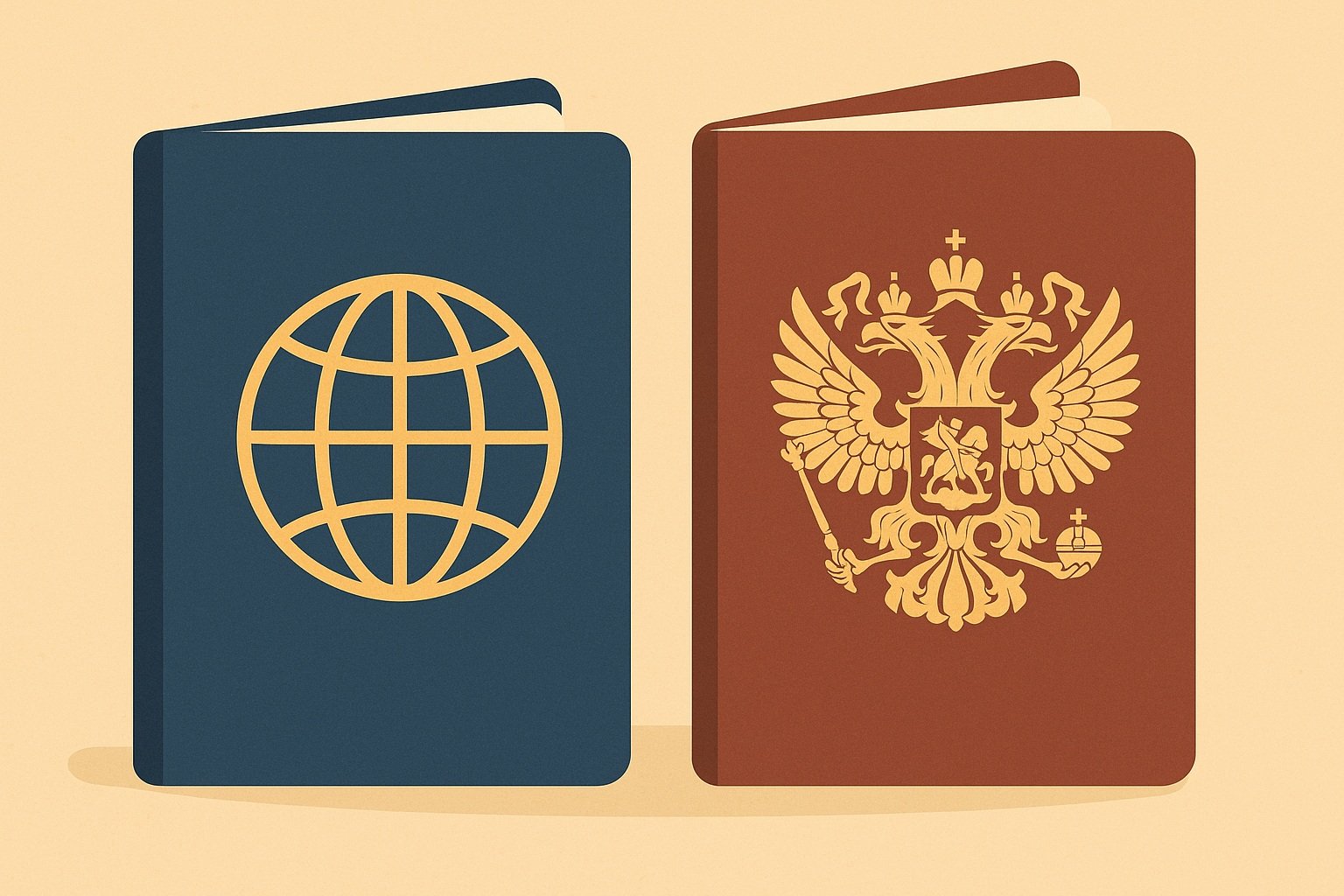
When businesses expand acrossIn today’s interconnected markets, trademark protection is essential for businesses aiming to secure their brand identity and prevent unauthorized use of their marks. For companies operating in Russia and other member states of the Eurasian Economic Union (EAEU), two systems are often discussed: the Russian national trademark and the Eurasian trademark.
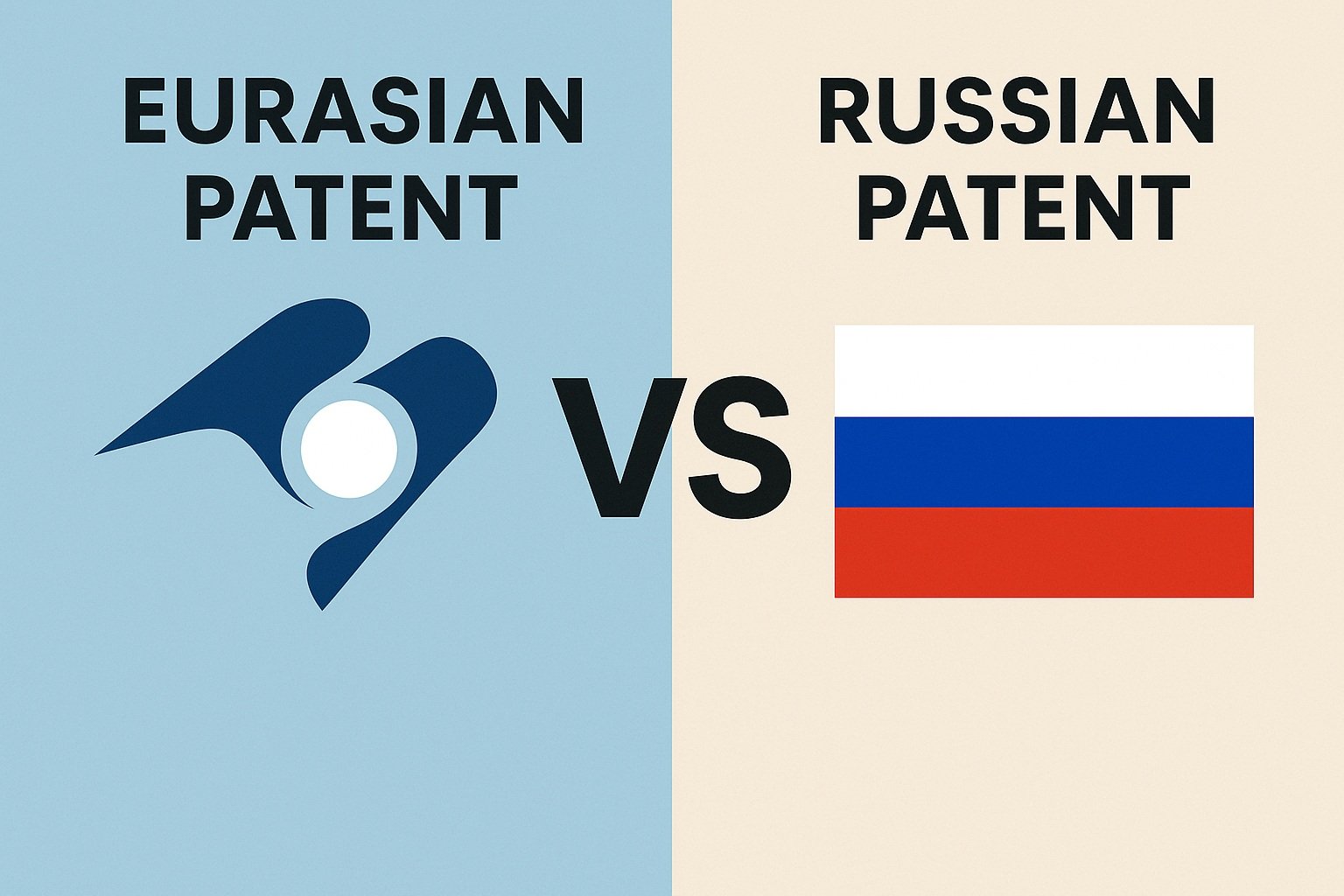
While the Russian trademark system is fully operational and well-established, the Eurasian trademark framework — though formally agreed upon by EAEU member states — has not yet entered into force as of 2025 (Unlike Eurasian patent). This creates a unique legal landscape that brand owners should understand before making strategic decisions.
1. Legal Framework
- Russian Trademark
Governed by the Civil Code of the Russian Federation and administered by Rospatent, the Russian trademark grants exclusive rights to use the mark within the territory of Russia. It is recognized nationally and enforceable through the Russian court system. - Eurasian Trademark
Based on the Treaty on Trademarks, Service Marks, and Appellations of Origin of Goods of the EAEU, signed by all five EAEU members: Armenia, Belarus, Kazakhstan, Kyrgyzstan, and Russia. Once in force, it will allow a single registration to be valid in all member states. However, despite the treaty’s signature in 2020 and plans for integration, the system is not operational in 2025 due to pending ratification and implementation measures in some member countries.
2. Geographic Scope
- Russian Trademark: Valid exclusively within Russia’s borders.
- Eurasian Trademark: Intended to provide protection in all EAEU member states via a single registration — but currently unavailable.
3. Application Process
- Russian Trademark
Filed directly with Rospatent. Examination includes formal review and substantive examination for distinctiveness and conflicts. The process typically takes 8–12 months. - Eurasian Trademark (Future)
Will involve a single filing with the intellectual property office of any EAEU member, which will forward it for review to all participating national offices. The decision will be made jointly. At present, this mechanism exists only on paper.
4. Costs and Administration
- Russian Trademark:
Lower filing fees compared to a multi-country filing. Separate applications are required for protection in other EAEU states. - Eurasian Trademark:
Once implemented, it is expected to be more expensive than a single national filing, and patent attorney fees will be higher, but cheaper than separate registrations in each EAEU country.
5. Enforcement
- Russian Trademark: Enforced exclusively in Russian courts under Russian law.
- Eurasian Trademark: Will require enforcement under the national laws of each member state where infringement occurs.
6. Strategic Considerations for 2025
- If you need protection now: Register a Russian trademark and, if necessary, separate trademarks in other EAEU countries.
- If you can wait for the Eurasian system: Monitor the ratification process. Once active, the Eurasian trademark could simplify multi-country protection within the EAEU.
- Combined approach: Secure immediate protection nationally and later convert or expand coverage under the Eurasian system when it becomes available.
Conclusion
In 2025, the Russian trademark remains the only functioning option for securing brand protection in Russia. The Eurasian trademark offers the promise of streamlined, multi-country registration across the EAEU, but its benefits remain prospective until the treaty enters into force. Businesses operating in the region should act pragmatically — using national registrations for immediate protection while keeping a close watch on developments in Eurasian IP integration.



Leave a Reply